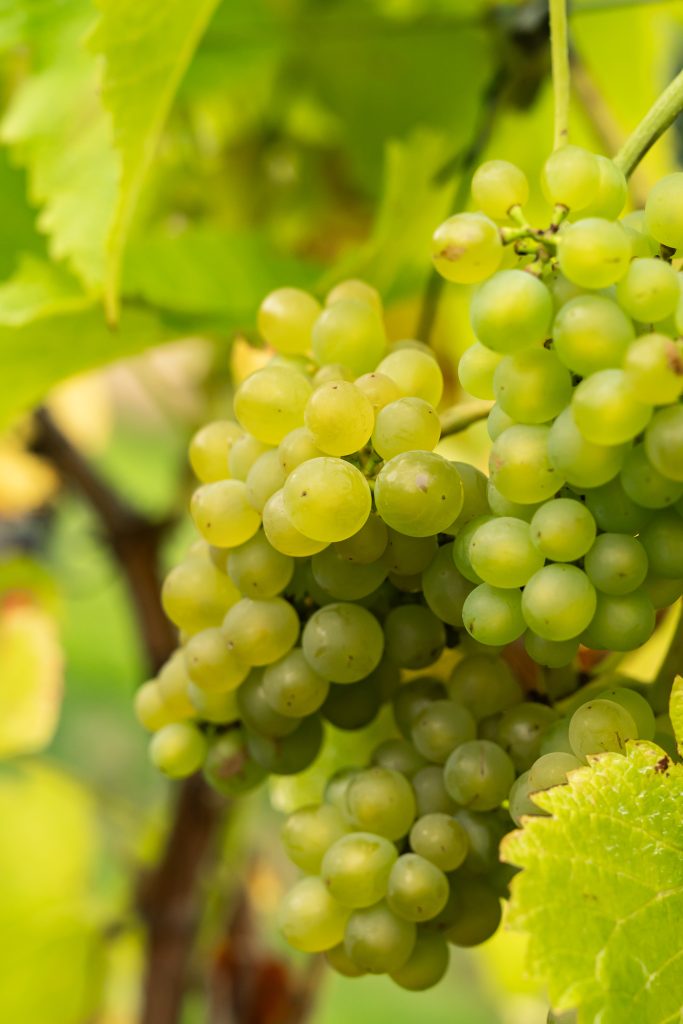
Since Helme Edge Vineyard now has skin in the English Sparkling wine game it seems appropriate to look at the European picture. England is making a reputation for sparkling wine as the climate warms and Chardonnay, Pinot Noir and Pinot Meunier can be ripened sufficiently to make champagne style sparkling wines that compete for honours with the best from France. Recognising the trend, Tattinger and Pommery are already running vineyards in England making English sparkling wine and no doubt others will follow. Incentives for established champagne makers to consider England are strong, notably because of the difficulty of expanding operations in the tightly controlled region in France. In addition, Cava maker Freixenet, owned by Henkel a prominent maker of Sekt in Germany, has also joined the party purchasing Bolney vineyard in Sussex, a reputed supplier of English sparkling wine.
Sparkling wine is produced by both the classical “method champenoise” and the tank/charmat process. The classical method requires the still wine to undergo a secondary fermentation in the bottle after which significant bottle ageing develops secondary flavours that contribute to the sensory properties that define champagne. The tank method conducts the secondary fermentation in large pressurised tanks and the subsequent filtration and bottling are conducted under pressure. If the vinification objective is confined to generating bubbles then the tank method is quicker and cheaper and suitable for wine that already has a good flavour profile.
The table below shows the relative quantities produced in Europe by the two main methods of vinification.
Table
The dominance of Prosecco and Sekt reflect the popularity of low cost sparkling wine made by the cheaper tank method. Champagne leads the traditional sector over long term rival Cava. The table highlights the small contribution currently made by England although this is growing rapidly.